Knockdown rebuild power connection in the Hills District: the steps from demolition to handover
Every power step in a Hills knockdown rebuild, from the permanent disconnection to site power, network applications and the final connection.
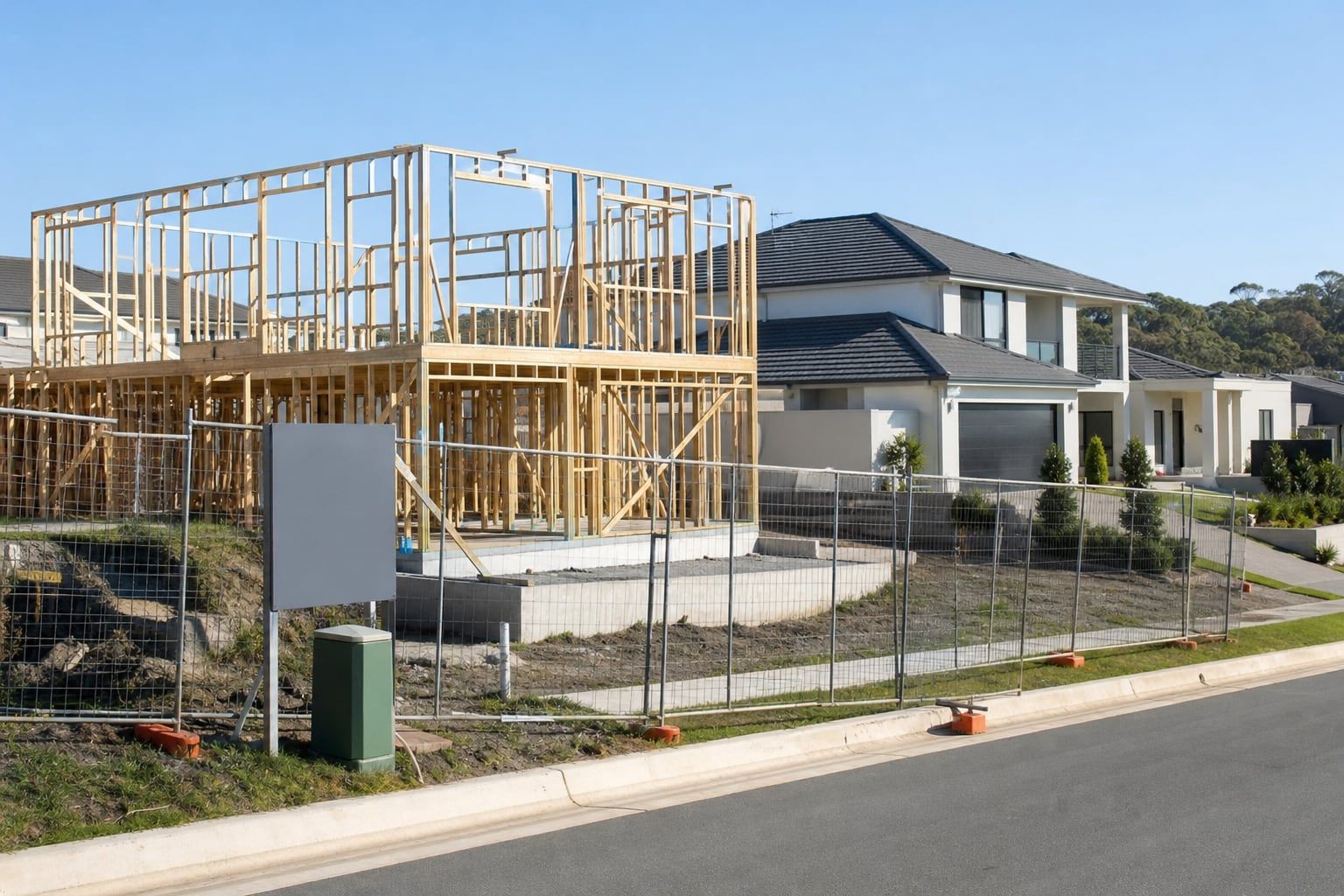
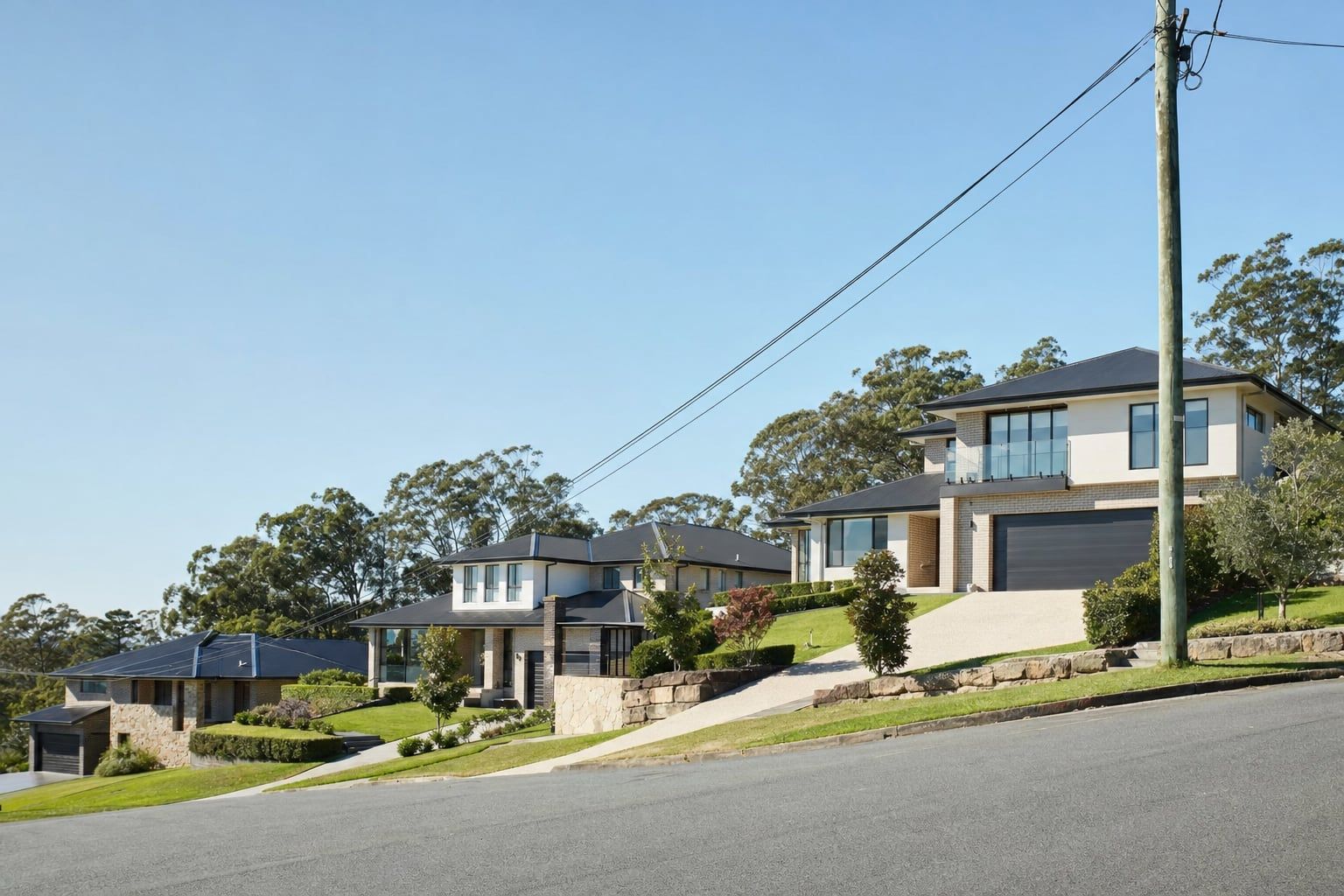
The Hills District is one of Sydney’s busiest areas for knockdown rebuilds. Original 1970s and 80s homes in Baulkham Hills, Castle Hill, Winston Hills, Northmead and Cherrybrook are being replaced with large new houses. Most owners focus on the design, the builder and the budget. The power side gets less attention until it holds something up. This guide walks through every power step, so it doesn’t.
Step 1: plan the new supply early
Before demolition, think about the new home’s supply:
- Overhead or underground? Most new Hills homes go underground.
- Single or three phase? Large homes with ducted air on two levels, a pool and EV charging usually need three phase.
- Where will the meter board go? It affects the trench route and the bracket or pit.
- Granny flat or second dwelling? It changes the load.
Your builder’s electrician will design the switchboard; the network side needs a Level 2 electrician and an application to the network.
Step 2: lodge applications early
If the new home needs three phase, or the connection arrangement is changing, an application to the network is needed. Most of the Hills is Endeavour Energy; Cherrybrook and parts of West Pennant Hills are Ausgrid. Lodging early, ideally when the electrical plans are done, means approval is through before handover.
Step 3: open a retailer account for the site
The site needs an electricity retailer account so a meter can be fitted to the temporary supply. Do this before demolition.
Step 4: permanent disconnection
Before the excavator arrives, the old house must be permanently disconnected and the service removed by an accredited Level 2. This is a power disconnection and reconnection job, booked ahead of the demolition date.
Step 5: temporary site power
On the same visit, we install a temporary builders supply: a temporary pole or site board near the frontage, metered, with safety switches and outlets. On sloping blocks, it goes on the most level practical spot, clear of machinery.
Step 6: build on site power
The build runs on the site supply. If it needs to move for the driveway or landscaping, we relocate it with a short disconnection.
Step 7: underground trench
If the new supply is going underground, the trench and conduit go in before the driveway, paths and landscaping. Doing it at the right time saves cutting new concrete. Our overhead to underground conversion page covers the work.
Step 8: final connection
When the new meter board is installed and the electrician is ready, we connect the permanent supply, often three phase via a three phase power upgrade, test and certify. Your retailer arranges the permanent meter.
Step 9: remove the site supply
The temporary pole or board is removed once the permanent supply is live.
Common delays and how to avoid them
- No retailer account: open it before demolition.
- Late three phase application: lodge when plans are done.
- Disconnection not booked: book it as soon as you have a demolition date.
- Temporary pole in the wrong spot: plan it around the slab, driveway and crane.
- Trench after the driveway: schedule it before.
Granny flats and dual occupancy
If the rebuild includes a granny flat or second dwelling, plan both supplies together. The load, the meter arrangement and the trench routes all change.
A simple timeline
- Design stage: decide overhead or underground, single or three phase, meter location
- Plans done: lodge network applications
- Before demolition: retailer account, disconnection booked
- Demolition week: disconnection and site power
- Before driveway: underground trench
- Handover: final connection, certificate, site supply removed
Neighbours and shared services
On some older Hills subdivisions, a neighbour’s supply runs close to or across your block, or shares a pole with yours. Before demolition we check nothing else depends on your connection, so the neighbours don’t lose power when your house is disconnected.
If the old house had solar
If the old home had solar panels or a battery, they need to be safely disconnected and removed before demolition by a licensed electrician or solar installer. Tell us, so the network side and the solar removal are done in the right order, and the new home’s solar can be planned into its supply from the start.
Certificates and records
Keep every certificate of compliance from the rebuild: disconnection, site supply and final connection. Your certifier, insurer and future buyers may ask for them, and they help any electrician who works on the house later.
Talk to us early
Call the level 2 electrician Hills District team when you sign with your builder. If a pool and EV charger are in the plans, read our guide to the pool and EV charger power upgrade too.
Updated
Knockdown rebuild power connection in the Hills District: common questions
Something else on your mind? Call 02 9158 9966 and ask.
Who books the disconnection, us or the builder?
Either. Many builders book it for you, but it's worth confirming early so it doesn't hold up demolition.
Can we keep the old supply for the new house?
Rarely. The new home usually needs a new supply sized and positioned for its design, often underground and three phase.
What delays the final connection most often?
Late network applications and missing retailer accounts. Both can be sorted at the start.